
In the intricate dance of circadian biology, two key players—melanopsin and vitamin A (retinol)—work together to keep our internal clocks in sync, promoting better health and well-being.
Think of melanopsin as the body’s natural light sensor, detecting blue light and signaling the brain to regulate sleep-wake cycles, while vitamin A supports this process by maintaining the health of these light-sensitive cells. By understanding how these components interact, we can unlock new ways to optimize hormone function, including the regulation of leptin, melatonin, and cortisol. In this piece, we’ll dive into the synergistic relationship between melanopsin and vitamin A, and how this dynamic duo can help us achieve a healthier, more balanced life.
Melanopsin is a light-sensitive protein found in the retina, skin, brain, bone, and subcutaneous fat. It primarily detects blue light, which is crucial for regulating our circadian rhythm. When melanopsin absorbs blue light, it sends signals to the brain’s suprachiasmatic nucleus (SCN), the body’s master clock. This process influences the secretion of hormones like melatonin, which promotes sleep, and cortisol, which helps us wake up and stay alert. It also tells your SCN the ‘time of the day’, which is why it is wise to take as many sun breaks as possible throughout the day, especially if you are stuck indoors under fake blue lights.
Melanopsin’s role extends beyond the eyes; it also impacts various peripheral clocks in tissues throughout the body, aiding in synchronizing metabolic processes and other physiological functions. The disruption of melanopsin function, mainly caused by excessive exposure to artificial blue light, will lead to sleep disorders, metabolic issues, and even affect mood and cognitive functions if the environment is not fixed. . Understanding melanopsin’s role offers us insights into managing our exposure to blue light for better health and well-being.

Vitamin A, also known as retinol so it is the ANIMAL form of Vitamin A not the VEGETABLE form, it plays a pivotal role in light perception and the overall health of light-sensitive cells. Retinol binds to opsin proteins, including melanopsin, forming a complex that is essential for capturing light signals. This complex is specifically tuned to detect visible light from the sun, particularly blue light, making vitamin A crucial for maintaining proper circadian rhythms.
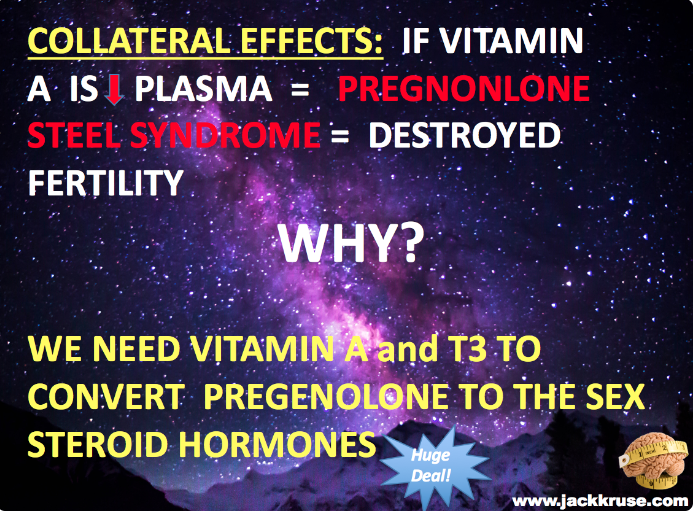
However, in our modern world dominated by artificial blue light from screens and devices, this delicate balance is disrupted. Vitamin A’s interaction with melanopsin becomes compromised, leading to improper signaling and various health issues. For instance, low levels of vitamin A can impair vision and delay the onset of sleep by disrupting melatonin production. Therefore, ensuring adequate vitamin A intake and managing blue light exposure are vital steps in optimizing circadian biology and overall well-being.
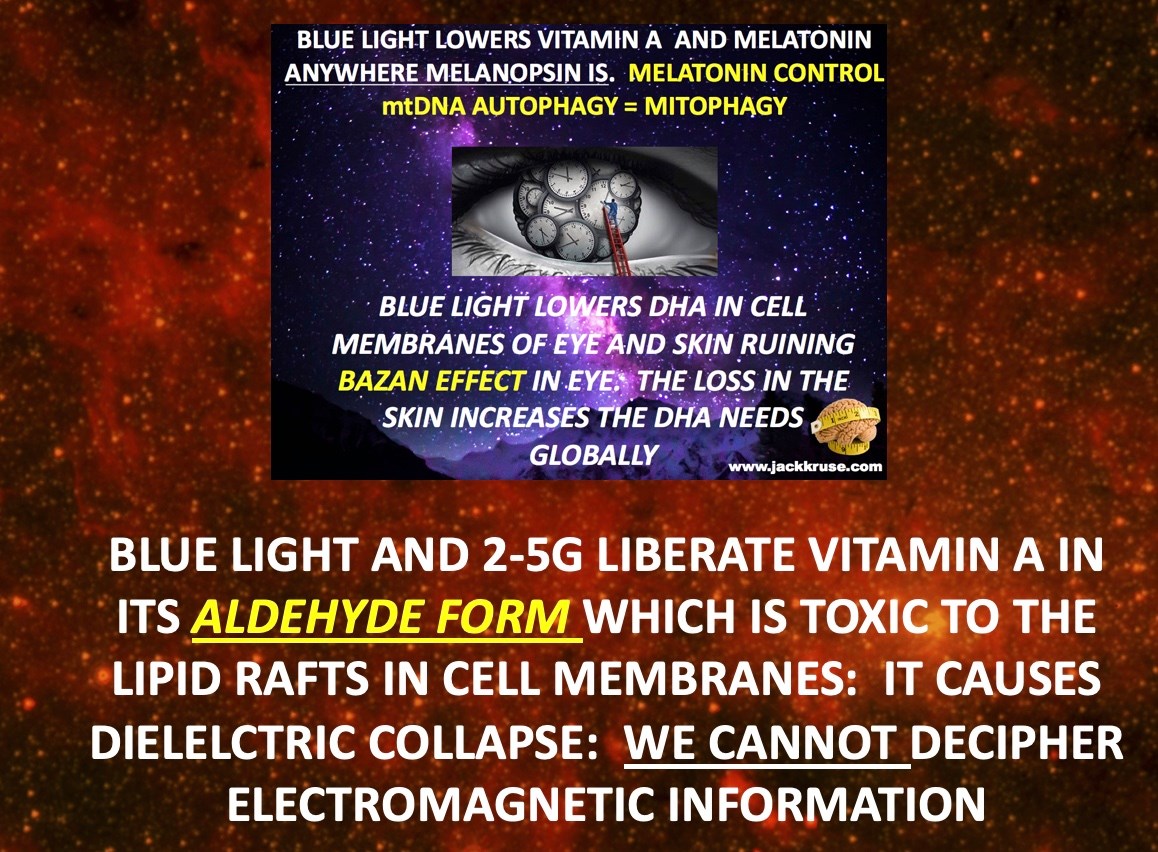
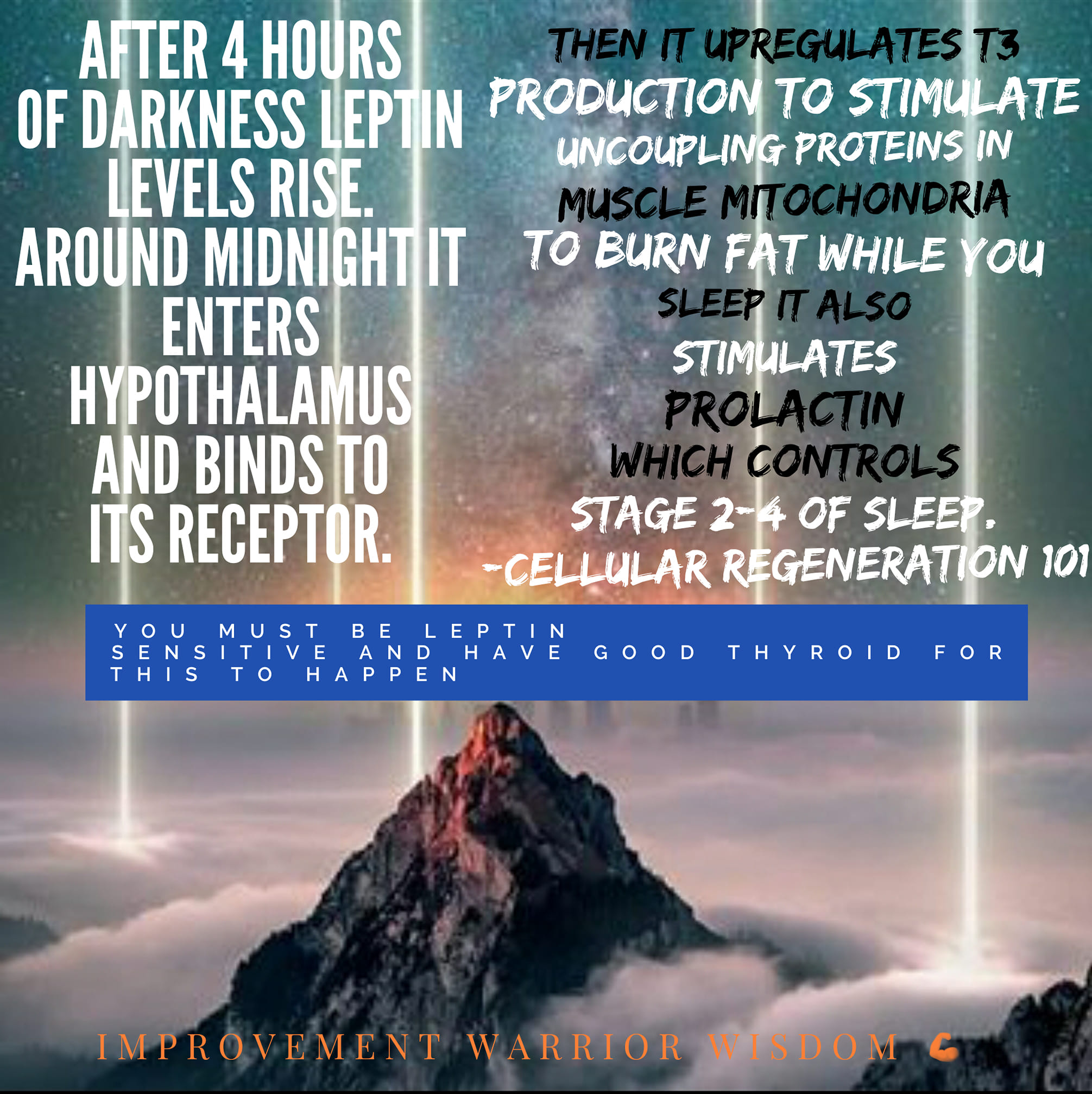
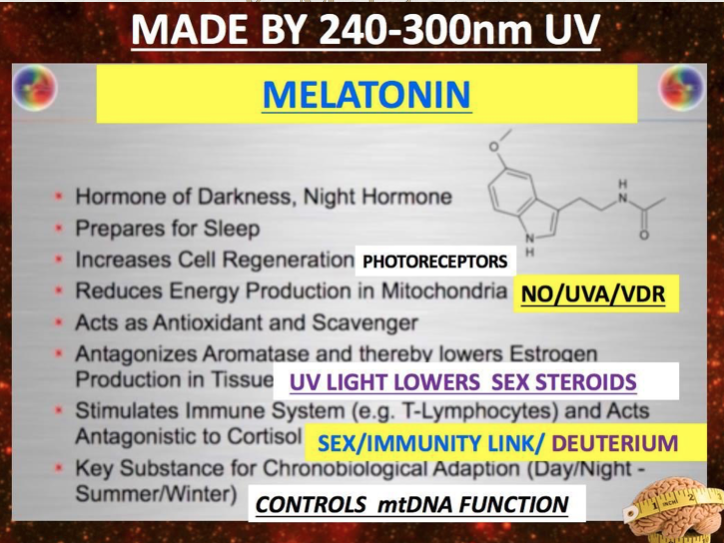
Melatonin is a hormone produced by the pineal gland that signals to our body that it’s time to sleep. Its production is closely linked to light exposure, particularly blue light or ALAN-Artificial Light At Night. During the day and sunrise in particular, blue light detected by melanopsin signals the brain to reduce melatonin production and increase cortisol production, keeping us awake and alert. As evening approaches and blue light exposure decreases, melatonin levels rise, preparing the body for sleep. But remember, we make melatonin in UVA light (once sun gets over 10 degrees to 29.9 degrees) before UVB light comes out. We then ‘shoot’ the melatonin out of the pineal gland at night but only after 4 hours of darkness has been felt by the eyes—making blue blockers essential for sleep.
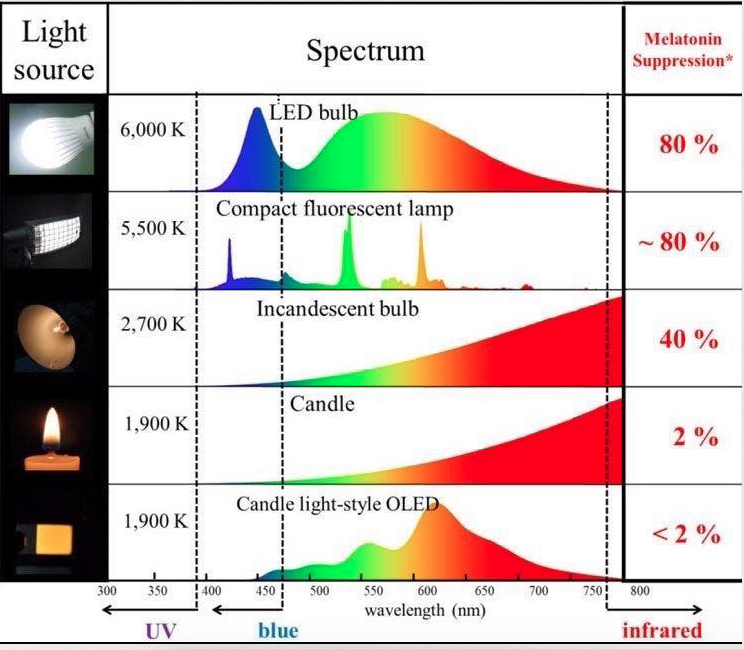
Disruptions in this cycle, caused by artificial light exposure from screens, can lead to reduced melatonin levels and poor sleep quality. This not only affects sleep but also impacts overall health, leading to issues such as increased stress, impaired cognitive function, and metabolic imbalances. By understanding the relationship between blue light, melanopsin, and melatonin, we can take steps to improve our sleep hygiene—such as reducing screen time before bed—to promote better sleep regulation and overall well-being.
My sleep podcast goes over 36 sleep tips: Improvement Warrior Podcast #7: http://www.improvementwarriorfitness.com/iwp7
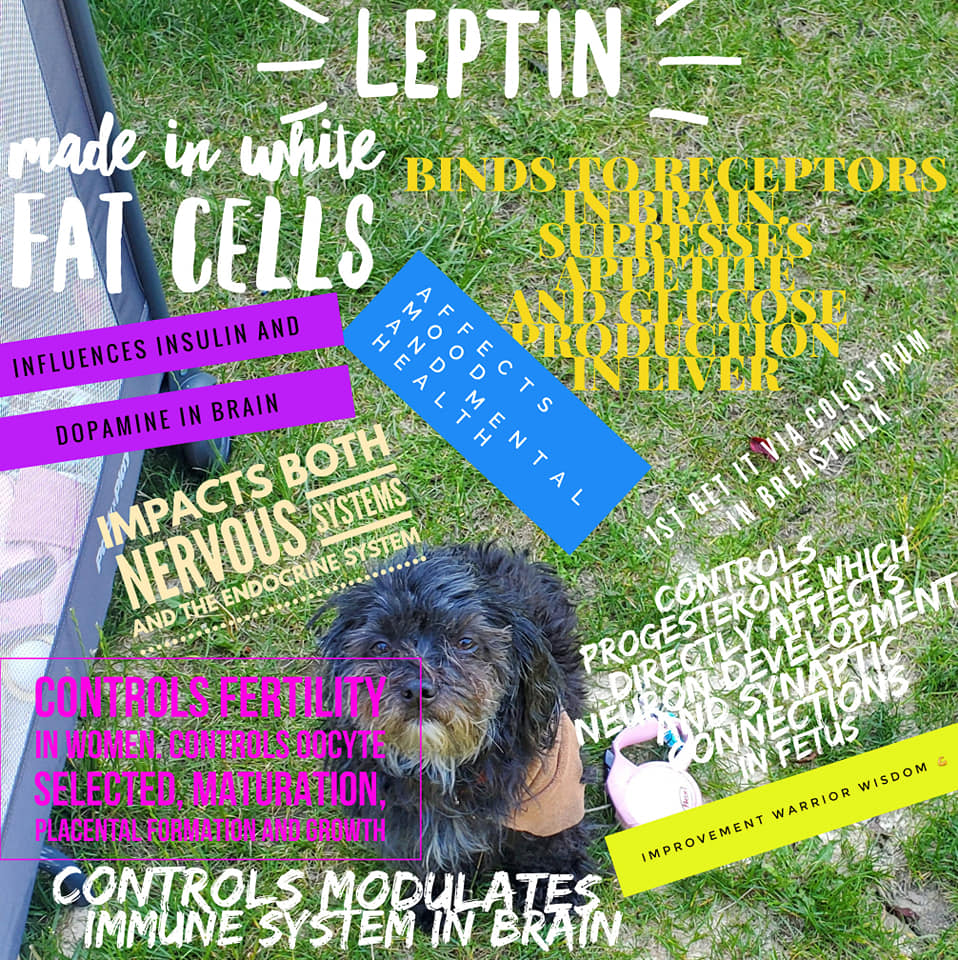
Leptin and cortisol are two hormones intricately linked to circadian rhythms and appetite control. Leptin, often referred to as the “satiety hormone,”although wrongly because it does so much more than that, is produced by fat cells and signals to the brain when we are full, helping regulate energy balance. Its levels fluctuate throughout the day, influenced by light exposure and sleep patterns.
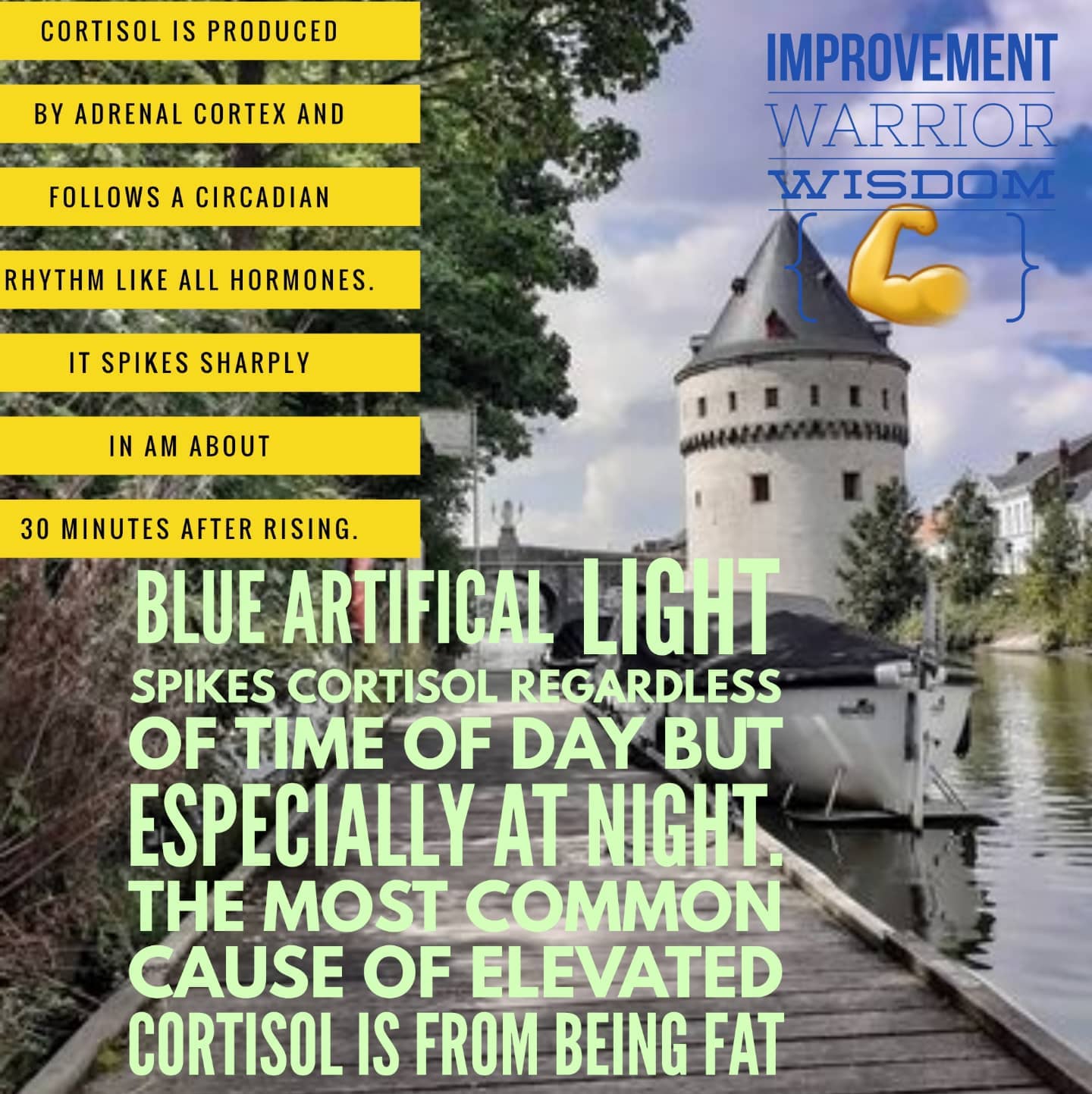
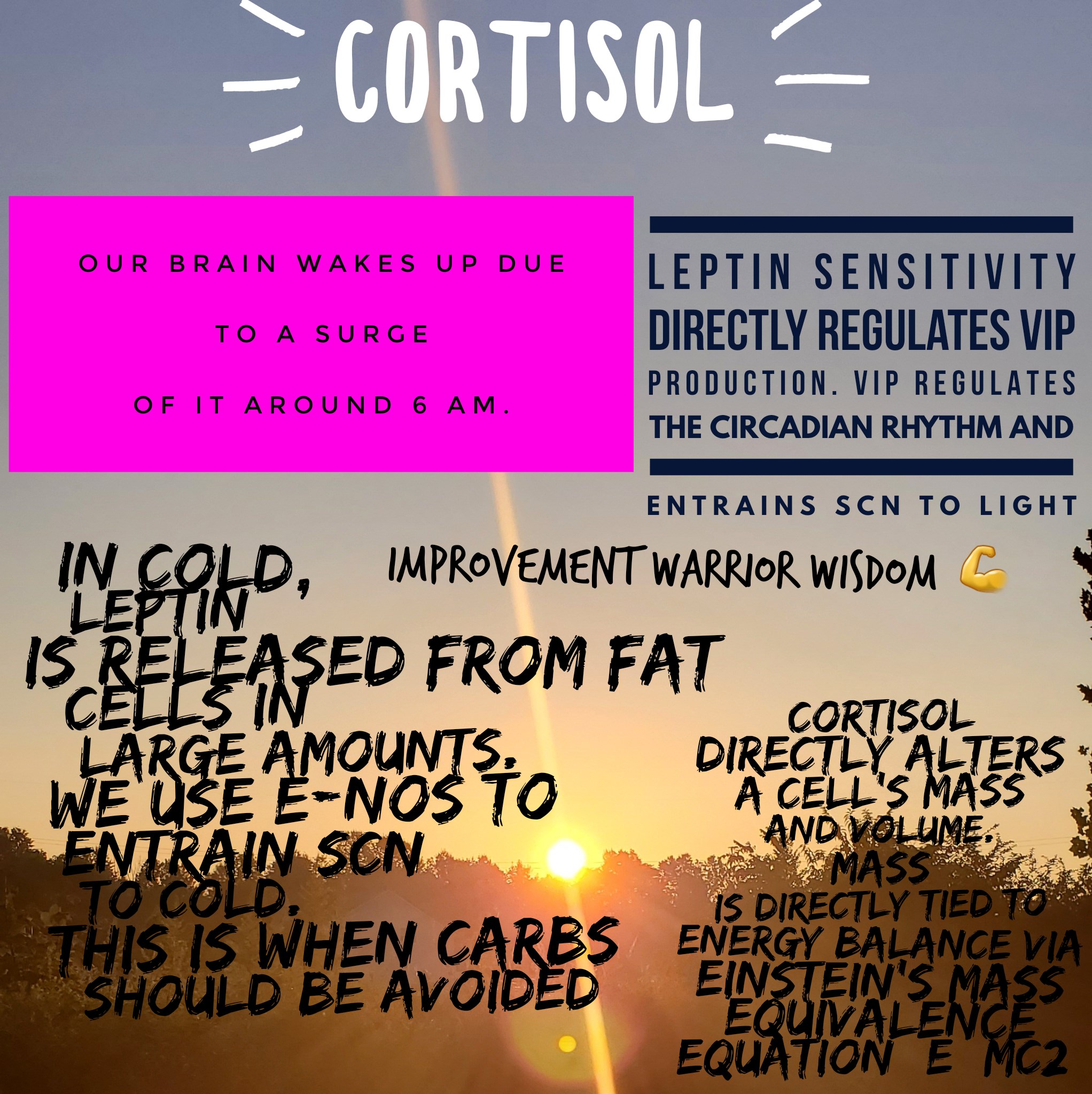
Cortisol, known as the “stress hormone,” has a daily cycle that peaks in the morning to help us wake up and gradually decreases throughout the day. Disruptions in circadian rhythms, often caused by irregular light exposure or poor sleep, can throw off the balance of these hormones. Elevated cortisol levels can lead to increased appetite and weight gain, while impaired leptin signaling can result in overeating and obesity.
By maintaining a regular sleep schedule and managing light exposure, we can help regulate leptin and cortisol levels, thereby improving appetite control and overall metabolic health.
Synchronizing your circadian rhythm can have profound effects on your overall well-being and ability to drive forward towards your goals. A well-regulated internal clock ensures that your sleep-wake cycles, hormone releases, and metabolic processes are in harmony. This synchronization will lead to improved sleep quality, enhanced mood, and increased energy levels.
When your circadian rhythm is aligned, your body can efficiently manage stress, regulate appetite, and maintain optimal cognitive function. For instance, proper melatonin levels contribute to restful sleep, while balanced cortisol levels help you handle daily stress more effectively. Moreover, synchronized leptin signaling aids in maintaining a healthy weight by preventing overeating.
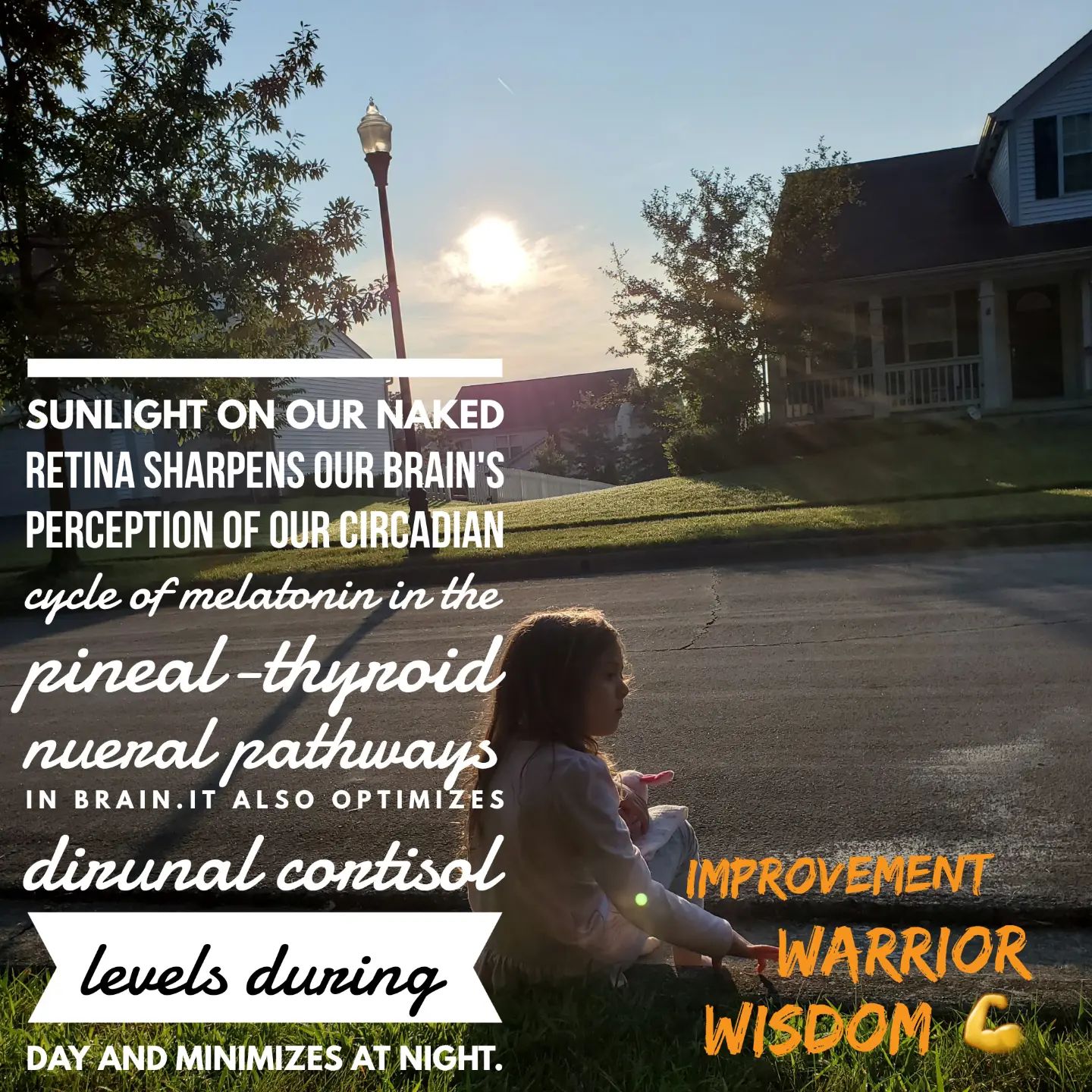
To enhance overall well-being, it’s crucial to adopt lifestyle habits that support your circadian rhythm (everything you are learning about right now).This includes exposure to natural light during the day, limiting blue light exposure from screens in the evening, and maintaining a consistent sleep schedule. These steps can help you achieve a healthier, more balanced life.
Aligning your circadian rhythm can play a critical role in preventing chronic diseases and enhancing longevity. Disruptions in circadian biology are linked to various health issues, including diabetes, cardiovascular diseases, and even certain cancers. There isn’t a single disease not directly or indirectly linked to circadian rhythm malfunctions. Proper synchronization helps regulate hormone levels, such as melatonin and cortisol, which are vital for metabolic health and immune function.
Melatonin, for example, has antioxidant properties that protect your cells from damage and reduce inflammation. Balanced cortisol levels prevent chronic stress, which is a known risk factor for many diseases. Additionally, regular leptin signaling helps maintain a healthy weight, reducing the risk of obesity-related conditions.
Disclaimer: *The Improvement Warrior newsletter, podcast and blog contains information that may or may not fit with your views and beliefs. My goal is to provide the truth and wake people up to the falsehoods that have been propagated in the health, fitness, nutrition, and wellness industries. Some information provided is Jason’s personal beliefs and habits. Before starting or implementing any information that Jason presents to you consult your physician and do your own research, especially if your doctor is in the modern paradigm of belief themselves. Some links provided are affiliate links and Jason collects a certain percentage from those links. I only promote things I personally use and/or come from people I trust have done their due dilligence on a product or service.

Join my private facebook groups and take your health and fitness to the next level:–The Workout group: http://www.improvementwarriorfitness.com/lbnfb
Improvement Warrior U: Building the strongest version of U: http://www.improvementwarriorfitness.com/iwufb


.
Health/Wellness Coaching with Coach Yun: Zoom Health Consultation (No membership)
Improvement Warrior Athlete: Youth Sports & Fitness Training: New Albany 2-week trial Improvement Warrior Athlete
Improvement Warrior Fitness Adult Strength & Conditioning: New Albany Small Group Personal Training | Case Study
Improvement Warrior Athlete- Youth Sports & Fitness Training (8 & up) (new website will open)
Nutrition Help (see also health/wellness coaching above): 47-Day Keto Diet Nutrition Challenge |30-Day Paleo Challenge
Health, Fitness, nutrition information- Fill out your name and email below to join our Improvement Warrior newsletter or click here to join the newsletter


